
Continual Improvement

In this guest post, John Hunter focuses on how improving the quality of your products or services cuts costs.
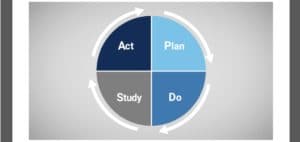
Our team had a common problem: weekly staff meetings were disorganized, a little frustrating, and almost always lasted longer than one hour. Like ill-fitting shoes, they served to keep our feet dry but made running difficult. Recognizing a change was needed, we turned to the process improvement tool devised by Dr. Deming: Plan-Do-Study-Act (PDSA).

Part 3 of “True Improvement vs Illusion of Progress,” a presentation by Peter Scholtes.

Are you responsible for how a part of your organization prioritizes what must be done? If so, you must find a way to devote time to improvement.
Part 2 of True Improvement vs Illusion of Progress, a presentation by Peter Scholtes.

What are five ingredients of true improvement? Peter Scholtes gives us answers as well as a 7-step model for improvement in this timeless presentation.
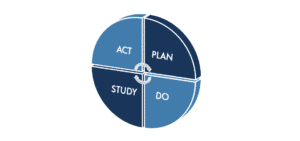
Interested in understanding the PDSA (Plan – Do – Study – Act) cycle? Here are a whole bunch of resources for you.

Mike Tveite discusses the importance of adopting Deming’s System of Profound Knowledge in the work of executives and the larger systems within organizations.

Peter Scholtes explores myths about the practice of quality management, the importance of viewing the organization as a system, and using the new lens to inform your leadership.

Bill Bellows highlights ongoing conversations with Ed Baker, author of The Symphony of Profound Knowledge (created in partnership with Aileron.org).